
Ordering guide
How to order a pressure-relief mattress or cushion with Scotts
What happens between the first call and the first delivery, what your prescriber has to document, and how resupply runs afterward. Written for patients and the people helping them.
Key takeaways
- Three things have to line up: a need, a prescriber’s order, and documentation in your chart. We handle the third with your prescriber so you do not have to.
- We verify coverage before anything is delivered and tell you what your plan says your share is.
- Resupply runs on the policy’s schedule, tracked by us and confirmed with you before each shipment.
How it works, step by step
- Tell us what you need. Call (800) 304-7030, start in the order wizard, or have your clinician send a referral with the documents attached. If you already use a product, the manufacturer code on the box is the most useful thing you can give us: it settles size, style and fit without guesswork.
- We verify your benefits first. Medicare Part B, Florida Medicaid, Medicare Advantage and most commercial plans. Before anything ships you hear what the plan covers and what your share is, and if it is not covered we say so and quote a private-pay option instead.
- We collect the order and the documentation from your prescriber. For a pressure-relief mattress or cushion that usually means:
- A written order and documentation of the pressure injury risk or the existing wound
- For an existing wound: stage or category, location, size and the treatment plan in place
- Documentation of what has already been tried — repositioning schedule, a lesser support surface — because coverage for the higher-level surfaces generally requires that a lower level was insufficient
- Patient weight and bed dimensions
- Delivery or shipping. Delivered and set up across South Florida, or shipped across Florida, with the instructions you need and a phone number for the questions that come later.
- Resupply, if it applies. Supplies that recur are tracked on the policy’s schedule. We check in before each shipment; nothing ships that you did not ask for. How automatic resupply works.
What Medicare looks for
Pressure-reducing support surface is covered under Medicare policy LCD L33830, Pressure Reducing Support Surfaces — Group 1 (Group 2: L33642). The policy sets out what the chart has to show; we read it against your documentation before we bill. The diagnoses it names include pressure ulcer. Resupply under the policy is capped rental, 13 months.
Pressure-reducing support surface (immobility + skin risk) is covered under Medicare policy LCD L33830, Pressure Reducing Support Surfaces - Group 1. In plain words, the chart has to show this: The mobility diagnosis on its own is not enough - the record has to show the skin risk too. The diagnoses it names include hemiplegia, paraplegia / quadriplegia, pressure ulcer, peripheral vascular disease. Resupply under the policy is one-time purchase.
Policies change and plans differ; the link above is the current text. We do not publish allowances or quantity limits here because the number that applies to you depends on your plan and your chart. Ask us and we will tell you yours.
Products people order
The manufacturers’ own photographs, shown under our dealer agreements. Pick one to check coverage and order it; sizes and pack counts come next.
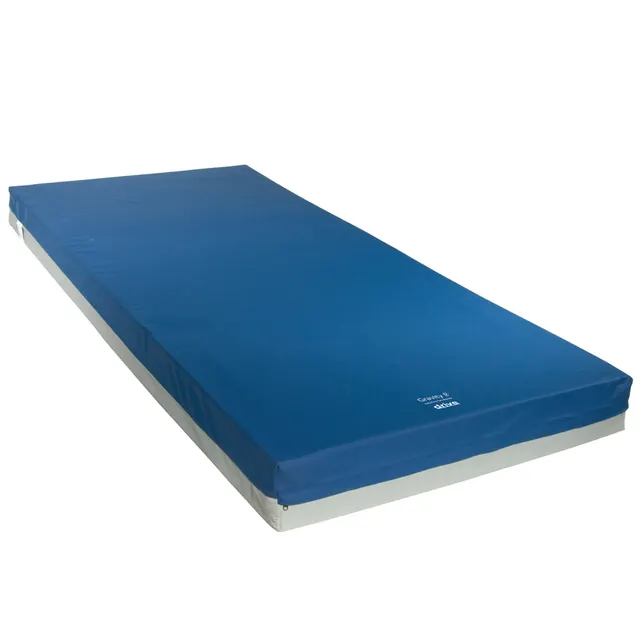 Drive MedicalDrive Medical Gravity 6 Long Term Care Pressure Redistribution Mattress
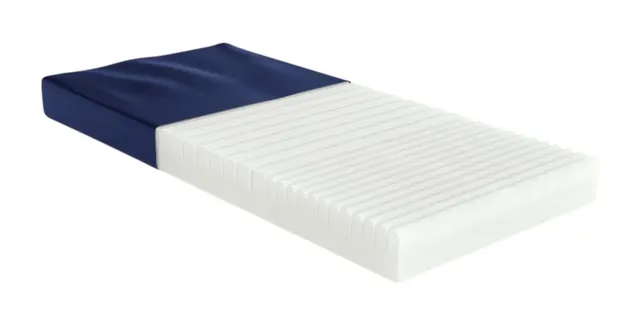 Drive MedicalDrive Medical Therapeutic 5-Zone Support Foam Mattress
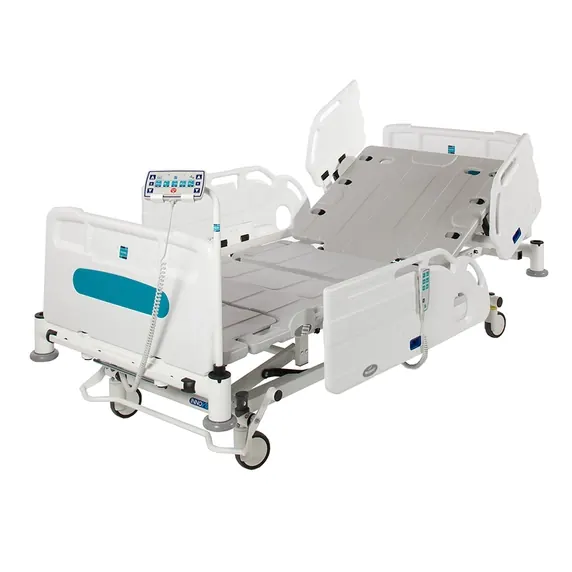 Drive MedicalDrive INNOV8 iQ Hospital Ward Bed - Split Side Rails
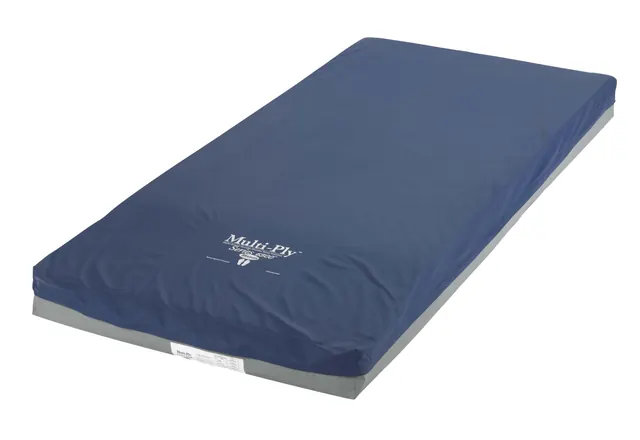 Drive MedicalDrive Medical 6500 Dynamic Elite Pressure Redistribution Foam Mattress
 Drive MedicalDrive Medical Gravity 7 Long Term Care Pressure Redistribution Mattress — Drive's Most Popular
 Drive MedicalDrive Medical Gravity 9 Premium Long Term Care Pressure Redistribution Mattress
All pressure care, cushions & mattresses product families
Brands we carry
Span America, Drive Medical, Invacare, Joerns Healthcare, Medline.
Questions people ask
Which surface do I need?
Does the mattress replace turning?
What about heels?
Related
About this guide
This is general information written to be useful, not medical advice, and it is not a coverage determination. It does not replace what your own clinician has told you about your own situation — where the two differ, follow your clinician.
We deliberately publish no prices, allowables or fee-schedule figures. Those vary by plan, state and year, and a stale number is worse than none. Call (800) 304-7030 and we will verify your actual benefit.
Not sure where to start?
Call us and tell us what happened — a surgery, a new diagnosis, a discharge date, a supply you keep running out of. We will tell you what is usually needed, check your benefits, and ask your prescriber for the order if you do not have one yet.